About This Project
This project is a simple demonstration of how Kaspa can be used in a real-world use case.
This was a low-budget project and I have basically no programming skills.
Most of this was made by trial and error.
AI helped a lot to put this together, especially with coding.
And that’s the point —
almost anyone can build something like this.
If more people experiment and share their ideas,
it can help bring Kaspa closer to every day use.
System Overview
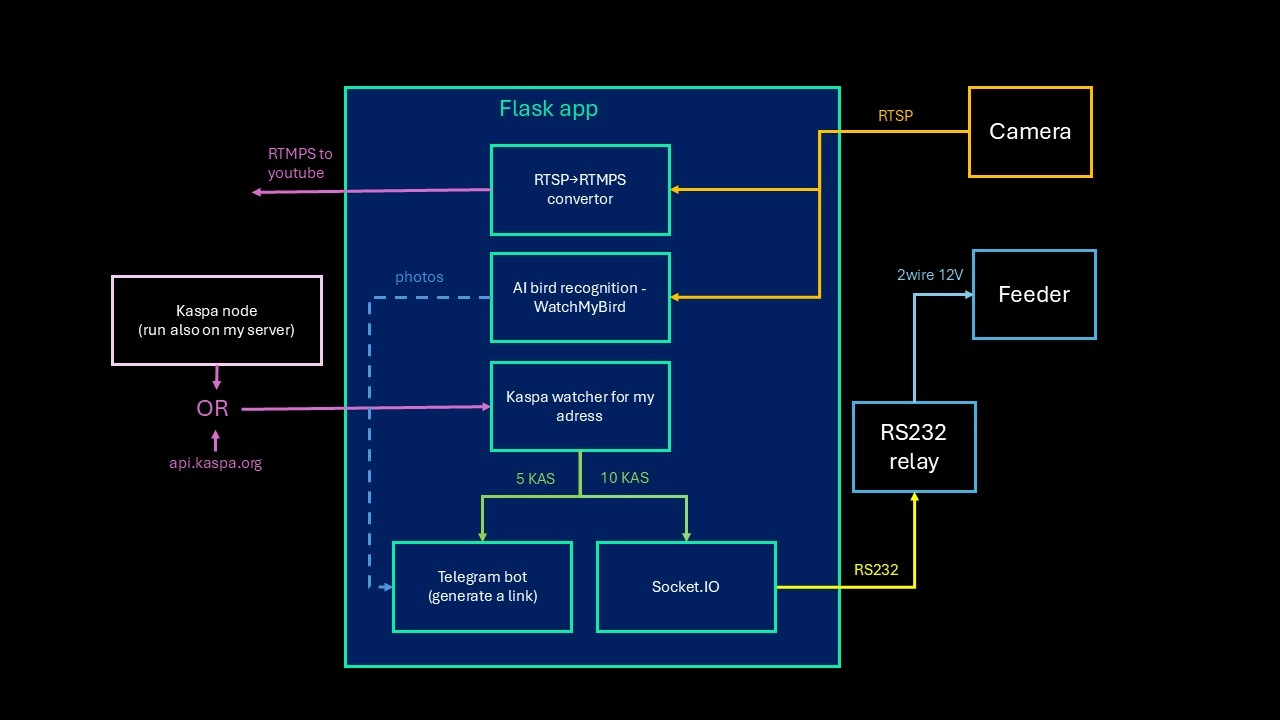
This diagram does not show everything in detail, but it shows the main building blocks and how they are connected.
Hardware
Feeder
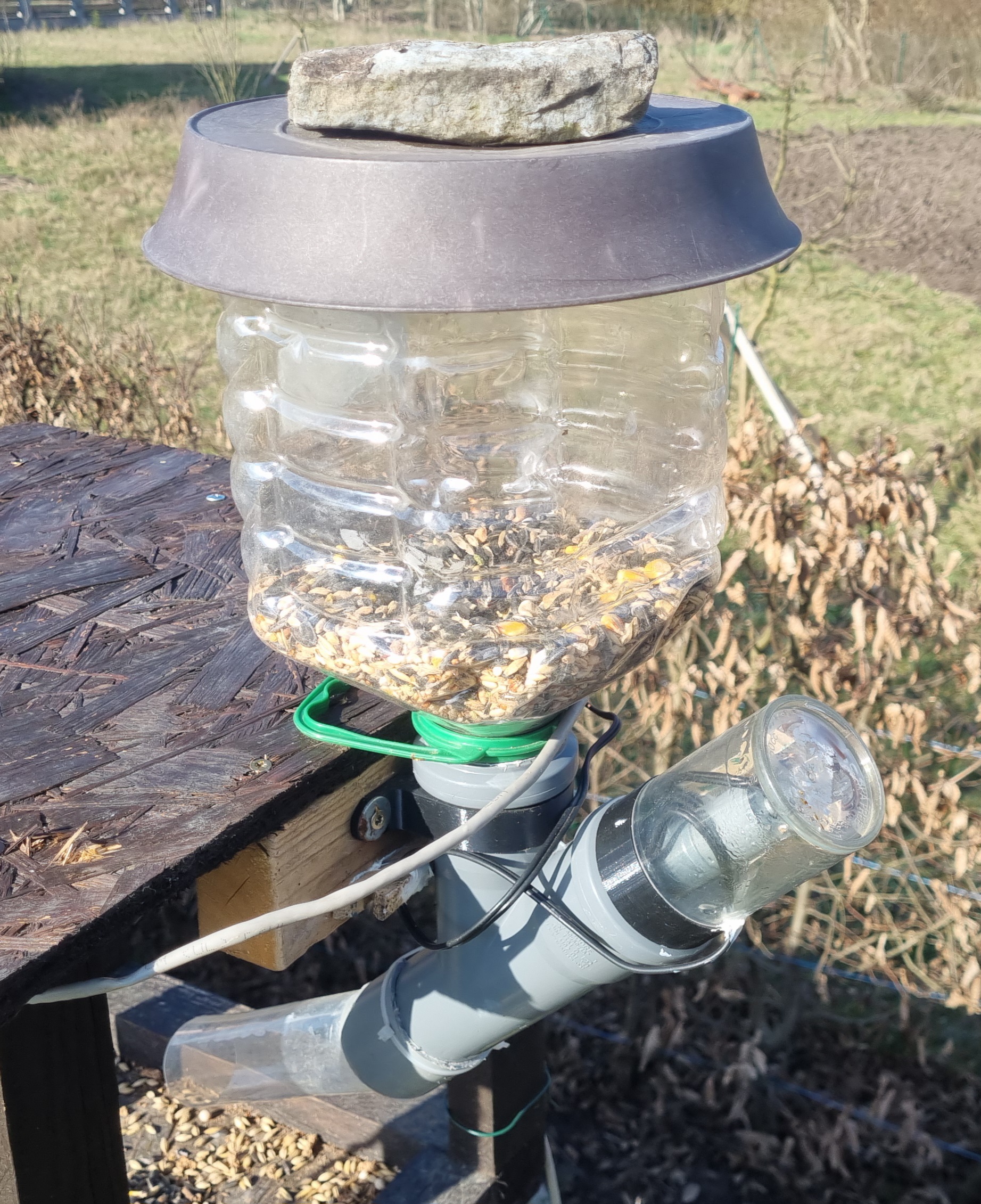
The feeder was built mostly from parts I already had at home,
with a few custom-made components.
The body of the feeder is made from a Y pipe HT 50mm 45°.
It is powered by a DC gear motor GA25-370 (12V, 12RPM).
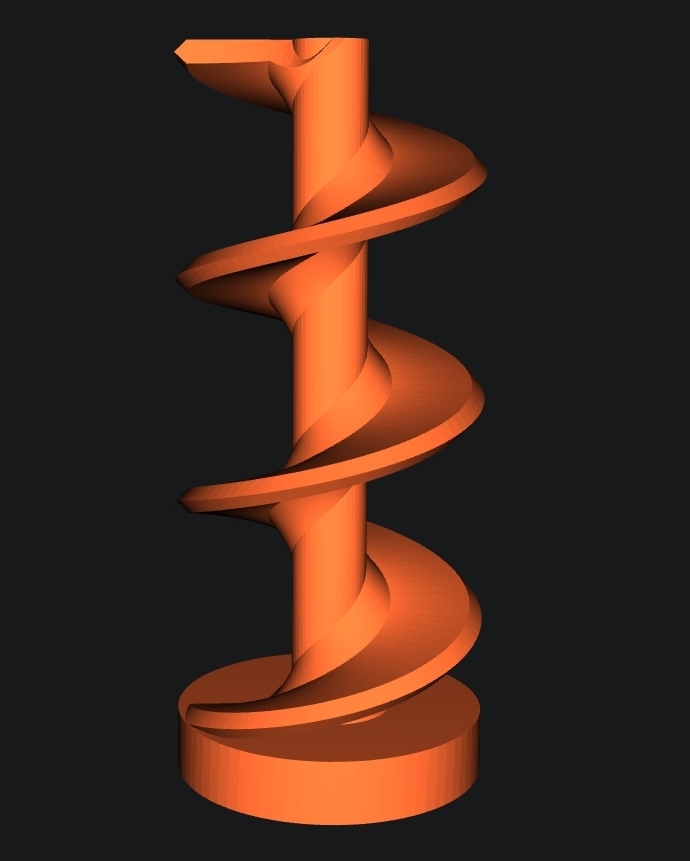
The screw mechanism was printed on a 3D printer.
Printables model
Larger types of seeds were getting stuck.
I solved it in a slightly unprofessional way,
but with 100% success — by sanding the screw edges while keeping the center intact.
Relay Module
Currently the feeder is controlled using a simple USB relay module.
In the near future, this will be replaced by a Papouch Quido module,
which offers more reliable RS232 communication.
Server
The system runs on a Dell R320 server.
It is not dedicated only to this project —
it also hosts a public Kaspa node,
my personal media library via Emby,
and will likely be used for additional projects in the future.
Camera
The camera used is IPC-B122-APF28K.
It is designed as a security camera,
which means it is not ideal for very close distances
inside the feeder.
The RTSP stream from this camera is captured on the server,
converted to RTMPS, and then broadcast to YouTube.
Real Setup
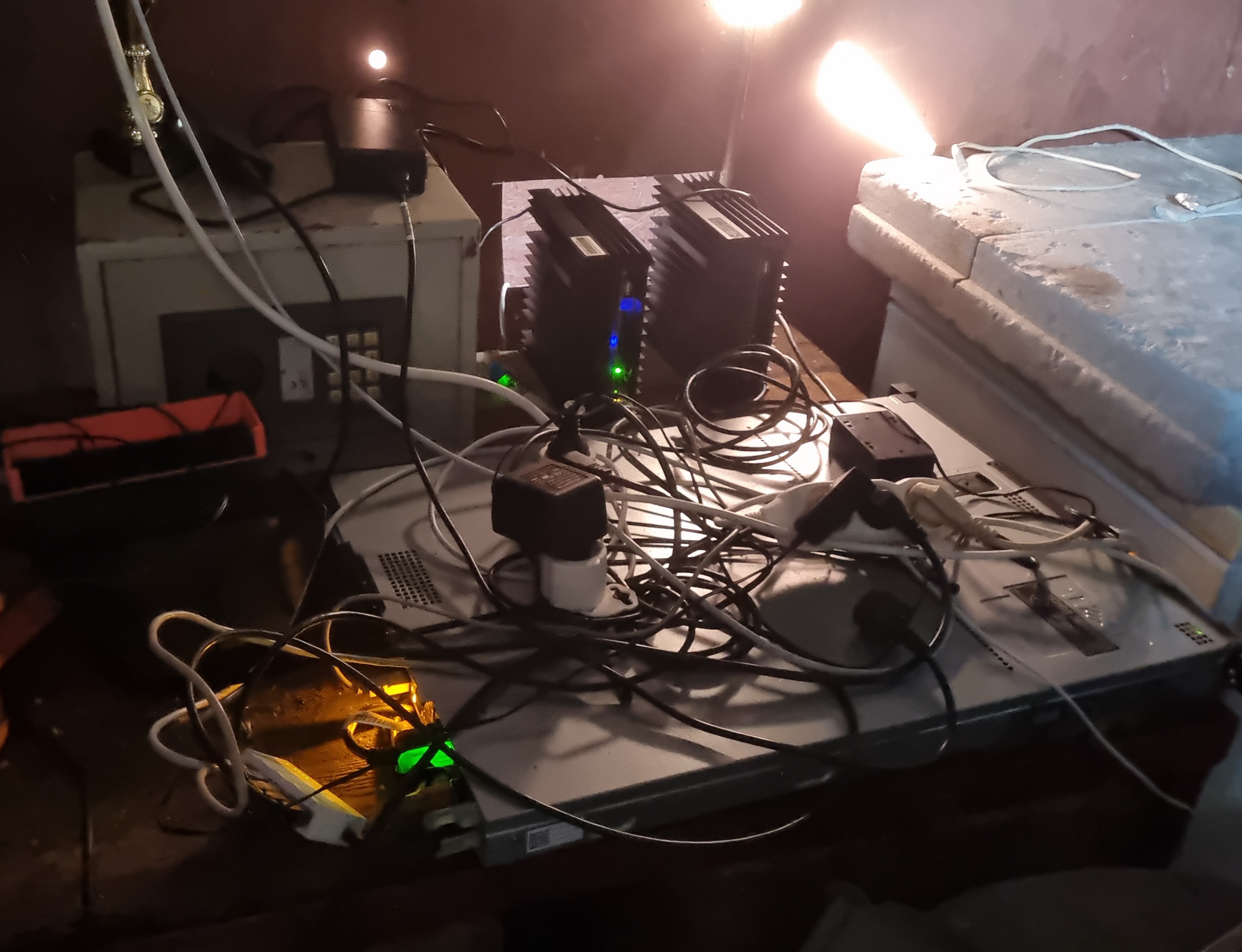
This is how it actually runs in real life.
Not in a lab, not clean — just a messy shed.
Wires everywhere, random placement, whatever worked.
These provisional conditions will be improved in the future.
In the back you can see two KS0 miners running.
They help support the Kaspa network.
It’s not pretty, but it works.
Code
Most of the code was written with the help of ChatGPT. Some parts are hidden for security reasons.
You can view the main code here:
Code Page
(some parts are hidden for security)
AI Detection
AI bird detection is handled using
WatchMyBirds from GitHub.
This program not only stores photos in a gallery but also sends notifications via Telegram.
If anyone would like to add some technical details to this page, please send feedback in the chat.
Thanks for reading.